How Electronics Recycling Services Ensure Responsible Recycling
Eco-Friendly Approaches: How E-Waste Recycling Services Are Preserving Our Planet
Electronic waste presents serious dangers to the environment, as disposed electronics frequently harbor hazardous substances. These hazardous substances can contaminate soil and water, leading to broader ecological damage. Electronic waste recycling programs offer an effective remedy. They serve the dual purpose of reclaiming precious materials and reducing contamination. Understanding how these services operate and their impact on communities is essential. Pursuing efficient e-waste management brings forth pressing questions regarding individual duties and shared responsibility. What measures can be pursued from this point onward?
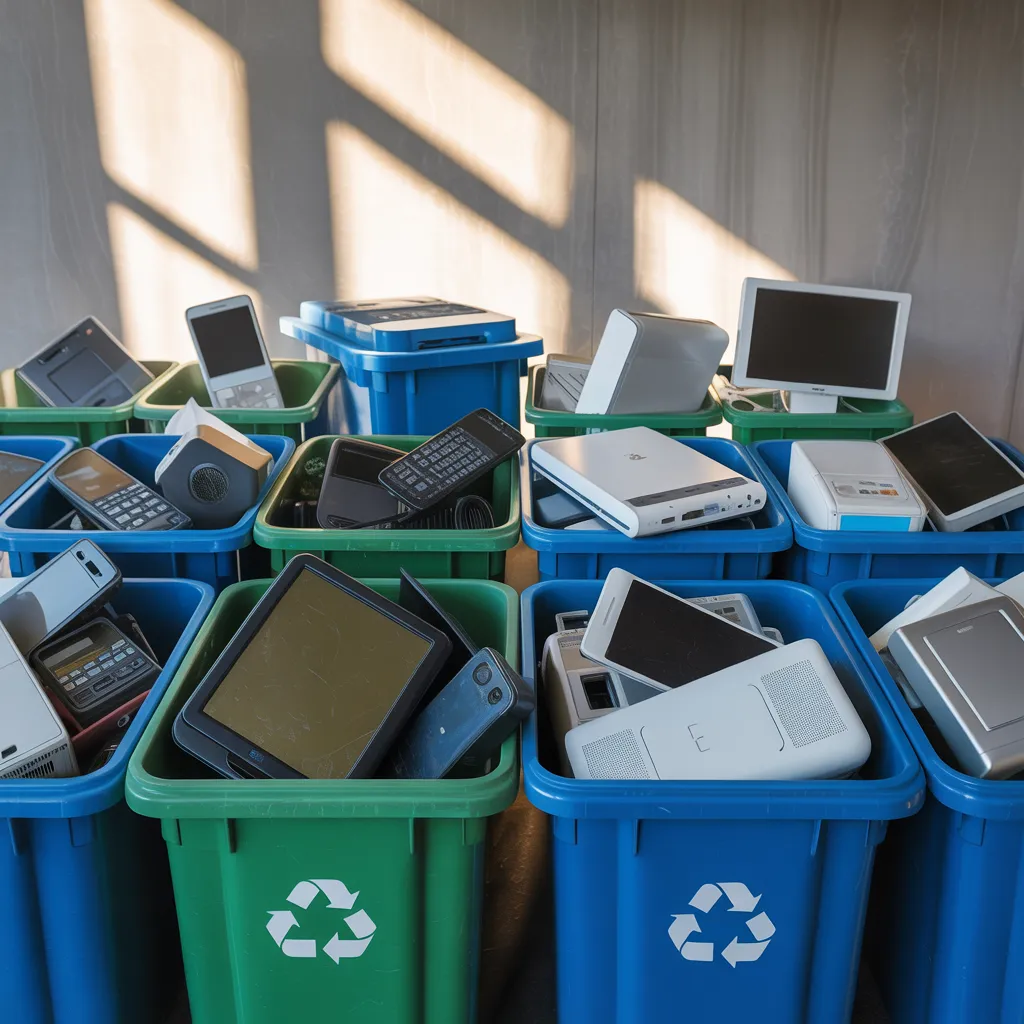
How E-Waste Is Hurting the Planet
Even though technological advancements improve modern life, e-waste poses considerable environmental hazards. Disposed electronic equipment, often containing toxic substances including cadmium, lead, and mercury, are capable of seeping pollutants into groundwater and soil, creating hazards for ecosystems and human health. The rapid pace of technological advancement leads to increased consumer turnover of electronics, intensifying the growing problem of e-waste.
Landfills, already burdened with waste, struggle to accommodate the growing volumes of discarded gadgets. Incineration, a common waste management technique, emits dangerous pollutants into the environment, degrading atmospheric conditions. Moreover, poor recycling procedures can cause e-waste to be sent to developing regions, where employees may disassemble electronics without sufficient safety precautions, leaving them vulnerable to harmful substances. This cycle of neglect and improper handling underscores the urgent need for sustainable recycling solutions that can mitigate the adverse effects of e-waste on the planet.
Understanding E-Waste and Its Significance
Electronic waste, commonly known as e-waste, comprises obsolete electronic products including televisions, computers, and smartphones that have reached the end of their useful life. This rapidly expanding waste category is noteworthy because of its swift buildup, driven by technological advancements and consumer trends. With an increasing number of devices reaching obsolescence, the ecological consequences become more pronounced, with toxic materials such as lead, mercury, and cadmium posing risks to ecosystems and human health.
The significance of tackling e-waste extends beyond minimizing these risks to recognizing the valuable resources it holds. Critical metals and rare earth components can be reclaimed and recycled, decreasing the reliance on mining and protecting natural resources. With a thorough understanding of e-waste and its impact, people and organizations alike can make educated decisions about disposal and recycling, helping to build a more sustainable world. Responsible management of e-waste plays a key role in supporting a circular economy and championing environmental stewardship.
How the E-Waste Recycling Process Works
Recycling e-waste involves a structured approach aimed at reclaiming useful resources while minimizing environmental impact. To begin, discarded electronics are retrieved and sent to purpose-built recycling plants. Upon arrival, the electronics are carefully categorized to separate hazardous components from recyclable materials.
Next, employees deconstruct the items, removing metals, plastics, and glass. This stage is crucial, as it facilitates the retrieval of precious metals like copper, gold, and silver, which are repurposed in new electronic devices.
Following this, the isolated materials are refined through cutting-edge techniques, such as shredding and chemical treatments, to prepare them for repurposing.
Ultimately, the remaining hazardous materials are disposed of responsibly, complying with eco-friendly standards. This systematic method not only saves important resources but also reduces the dangers linked to irresponsible electronic waste disposal, guaranteeing a greener future for the consumption of electronics.
The Benefits of E-Waste Recycling for You and Your Community
Although it often goes unnoticed, the advantages of e-waste recycling go far beyond individual benefit and actively shape entire communities. By responsibly disposing of electronic waste, individuals play a role in creating a healthier environment, decreasing harmful substances that can leach into soil and water. This proactive approach works Continue reading to protect local ecosystems and promotes public health.
Furthermore, the recycling of e-waste encourages employment opportunities within local communities. Community recycling operations commonly require workers for a range of functions, from collection to processing, thus generating valuable job opportunities to area workers. This not only stimulates the local economy but also encourages community engagement in sustainable practices.
Additionally, awareness of e-waste recycling may result in awareness campaigns, encouraging residents to make environmentally conscious decisions. By enrolling in e-waste recycling programs, individuals cultivate a culture of sustainability, motivating others to do the same. Overall, the combined impact of these actions can result in a more strong and environmentally aware community.
How to Pick an E-Waste Recycling Service
Picking the right e-waste recycling service is essential for making sure that electronic refuse is handled responsibly and sustainably. Initially, consumers should confirm the company's accreditations, such as R2 or e-Stewards, which signify adherence to established benchmarks for safe recycling practices. It is equally important to evaluate the company's credibility by reading customer reviews and looking for advice from dependable sources.
Moreover, openness in the recycling process is crucial. A dependable provider should offer detailed insights about the manner in which e-waste is managed and how the materials are utilized. Furthermore, evaluating the range of services offered can be beneficial; some companies may provide pickup services or offer incentives for recycling.
Furthermore, learning about local regulations regarding e-waste disposal may further shape the evaluation process. By taking these elements into account, residents can actively participate in efficient electronic waste handling while also advancing environmentally responsible practices.
How You Can Get Involved in E-Waste Recycling?
Participating in e-waste recycling can start at the local level, where local recycling facilities frequently offer essential services for proper disposal. Additionally, taking part in community awareness campaigns can amplify efforts to educate others about the importance of ethical e-waste practices. Such efforts not only encourage sustainable practices but also foster a collective sense of responsibility toward the environment.
Community Recycling Locations
Several local recycling centers play an essential role in electronic waste recycling, giving communities practical solutions to dispose of electronic waste responsibly. These centers accept a variety of electronic equipment, including outdated computers, mobile phones, and TVs, guaranteeing that dangerous substances are processed safely. Most centers are equipped with qualified professionals who can guide individuals on proper disposal methods, stressing the significance of recycling instead of landfilling. Moreover, numerous facilities provide drop-off events or designated collection days, enabling residents to engage without difficulty. By utilizing these local services, community members advance a circular economy, decreasing environmental damage and advancing sustainable approaches. Working alongside these hubs enables communities to combat e-waste pollution successfully.
Public Awareness Initiatives
Community groups, educational institutions, and companies can collaborate to host events that promote e-waste collection drives. Volunteers can play a pivotal role in promoting knowledge, handing out educational content, and interacting with the surrounding community. By means of these joint initiatives, residents become more informed and motivated to recycle their electronic waste, thus playing a meaningful role in creating a more environmentally responsible future.
Frequently Asked Questions
What Kinds of Electronics Can Be Recycled?
A wide range of electronics may be recycled, including laptops, televisions, smartphones, printers, computers, and gaming consoles. Moreover, ancillary devices such as keyboards, mice, and batteries are equally appropriate for recycling, supporting environmental conservation efforts.
Are There Fees Involved With E-Waste Recycling?
Indeed, electronic waste recycling may involve charges, depending on the service provider. Certain providers apply costs for pickup or handling, while others offer free services, typically funded by the proceeds from salvaged materials.
How Do Businesses Gain From E-Waste Recycling?
Companies can take advantage of e-waste recycling by lowering disposal expenses, improving their green reputation, adhering to regulatory requirements, reclaiming useful materials, and creating potential earnings via resale, thereby fostering a more environmentally responsible business approach.
What Occurs with Data on Recycled Devices?
Details on repurposed electronics is commonly irretrievably wiped or obliterated during the refurbishment process. This confirms private details stays protected, stopping improper access while permitting resources to be repurposed safely and responsibly within new applications.
Are Broken Electronics Eligible for Recycling?
Indeed, broken electronics can be recycled. Several facilities accept broken devices, ensuring safe disposal and recovery of precious materials. This effort helps reduce the environmental footprint while promoting responsible recycling practices to handle electronic waste efficiently.